
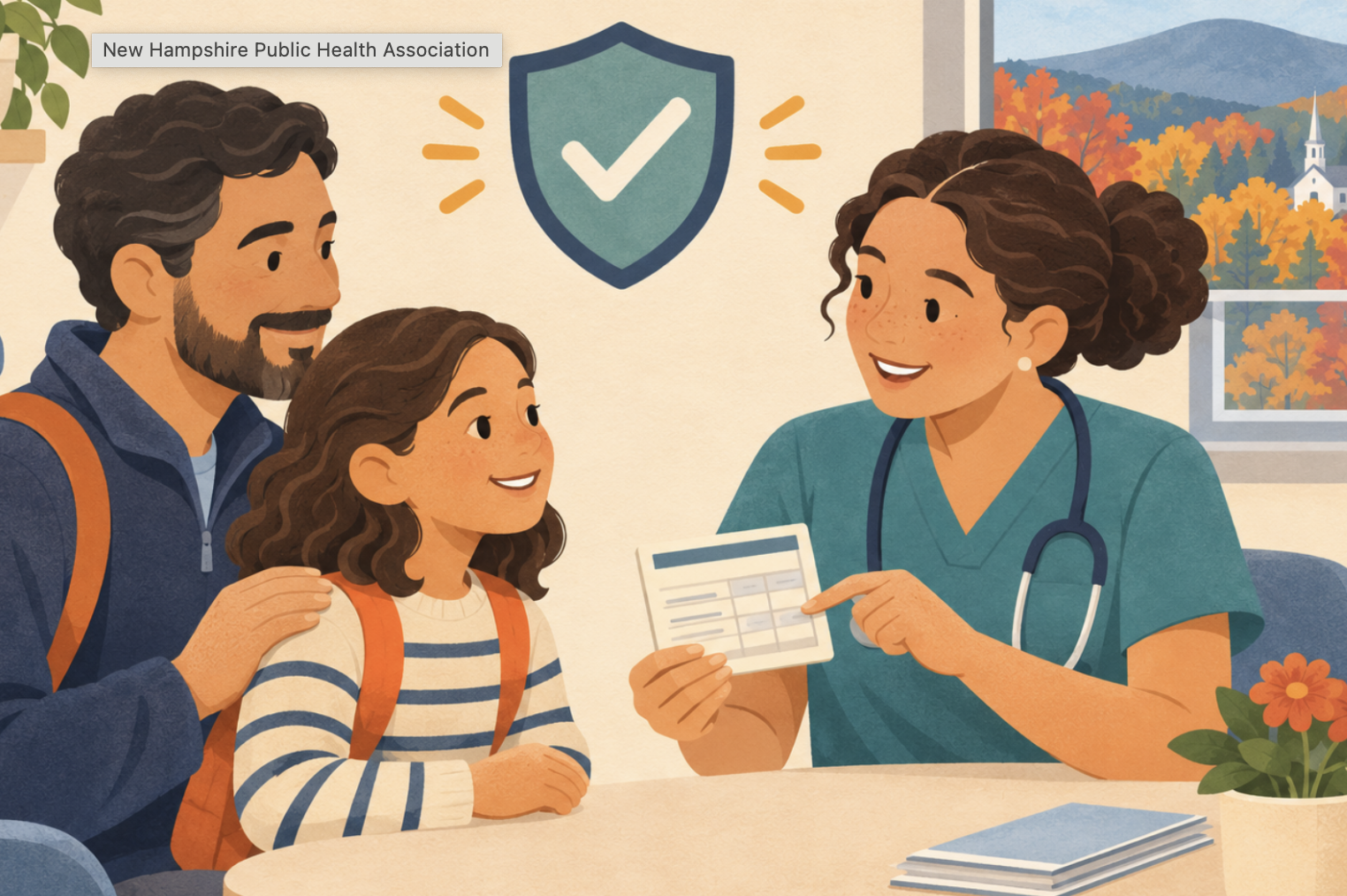
Measles is back in the national headlines, and many New Hampshire families are asking: Am I protected? Does my child need another shot? What if someone we know is exposed? The encouraging answer is that most of these questions can be settled with a few simple steps, and New Hampshire has a real opportunity to prevent transmission and outbreaks in the state.
Where We Are Now
As of the CDC's November 13 update, New Hampshire residents had zero confirmed measles cases in 2026, while the nation recorded 5,412 confirmed cases through November 12. These are preliminary, dated figures and no guarantee against future cases, but they mean our state has time to prepare before the holidays bring travel and gatherings. [Verify against the live CDC page before publishing.]
The national picture is serious. NBC News reports that, after determining that measles transmission in the US has continued for more than a year, the Pan American Health Organization has withdrawn the United States' measles elimination status after it was first achieved in 2000. Elimination status means that sustained, ongoing transmission has been interrupted, though it doesn't mean a case won't ever occur. While losing that status is a serious setback, it does not mean every community has the same outbreak risk and it can be recovered.
The most effective tool to prevent measles outbreaks is one we already have. Two doses of the MMR vaccine are about 97% effective at preventing measles, according to the CDC. Most NH children and adults are already protected, so the goal now is to find and close the gaps.
Why This Matters Beyond the Rash
Measles is a very contagious viral disease. It causes high fever, cough, runny nose, red eyes and a distinct red, blotchy rash. It spreads through the air, and the virus can linger in an indoor space for up to two hours after an infected person leaves. Because people can spread it before the rash appears, early recognition and a quick response matter. (CDC)
Measles can cause pneumonia, brain inflammation and other serious complications. People who can't be vaccinated like babies, pregnant people, and people with weakened immune systems rely on everyone around them being vaccinated, which is why preventing measles is a shared responsibility. This is community care in practice.
What Families Can Do Now
Four manageable steps protect your household and your neighbors.
1. Check your vaccination records. Look for documentation of the measles, mumps and rubella (MMR) vaccine. Your health care provider or a previous vaccination provider may be able to help locate records.
Children routinely receive two doses: one at 12-15 months and another at 4-6 years. Catch-up schedules are available for anyone who missed doses.
Most adults without other evidence of immunity need at least one documented dose. Some need two, including health care personnel, international travelers and students in postsecondary education.
2. Ask about your situation before seeking an extra dose. An outbreak does not mean everyone needs a booster. The CDC says people with two valid doses do not need a routine booster.
If you have only one documented dose, cannot find your records or plan to travel, ask a clinician what is appropriate.
People who received an older, inactivated measles vaccine should also discuss revaccination.
Babies ages 6-11 months may be advised to get an early dose before international travel or in certain outbreak situations. It does not replace the two routine doses after the first birthday.
NPR's explainer also answers common questions about adult immunity.
3. Take any possible exposure seriously. Call a health care provider promptly after a known or suspected exposure, and do not wait for a rash.
4. Know the symptoms, and call ahead. Measles often begins with fever, cough, runny nose and red, watery eyes. A rash usually follows several days later, starting on the face and spreading downward.
If measles is possible, call before arriving at a medical office, urgent care center or emergency department so staff can protect other patients. Follow instructions about staying home. If emergency care is needed, tell responders about the possible exposure.
What This Means For New Hampshire
New Hampshire's zero-case status is an opening, not a guarantee. Measles can arrive with a single traveler or visitor, and holiday travel and gatherings raise the odds. What happens next depends on how ready our communities and our public health system are.
Families: Check records now, before a school, childcare or travel deadline or an exposure forces the question.
Schools and childcare: High, consistent MMR coverage protects classmates who are too young or too medically fragile to be vaccinated. The NH kindergarten MMR vaccination rate was 88.2% for the 2025-2026 school year. This falls below the 95% threshold commonly cited as the goal to ensure community protection (and below the 92.4% national rate). KFF
Clinicians and health systems: Know the call-ahead protocol so a suspected case does not expose a waiting room. Review and share recommendations on individual vaccination status at every opportunity.
Local and state public health: Rapid case investigation, contact tracing and exposure notification depend on trained staff, working data systems and trusted communication.
Communities: Families need accessible vaccination services, help finding records, information in the languages they speak and respectful answers to their questions.
The New Hampshire Public Health Association (NHPHA) will keep supporting trusted local messengers and helping people find reliable guidance. Communications researcher Julie Sweetland, in a TIME commentary, argues that explaining vaccination's everyday benefits and building common ground is more effective than shaming people. We agree, and we bring that approach to our community conversations.
What We Ask of Our Leaders
Families can check records and call their doctors, but they cannot build a public health system on their own. Protecting New Hampshire from measles is a shared responsibility, and we call on those who set policy and funding to act now.
New Hampshire Governor and Legislature: Fully fund the state immunization program and local public health, and uphold evidence-based vaccination standards for schools and childcare.
NH Department of Health and Human Services: Publish a clear measles readiness plan, report case and coverage data promptly and publicly, and give families and clinicians a single trusted place to find current guidance.
NH Health Care Providers: Ensure patients have access to accurate information about their vaccination status and the care required to ensure they can participate in shared decision making about vaccinations.
Congress and federal agencies: Sustain stable CDC and state public health funding, and keep vaccines free of cost barriers, so the work of surveillance and rapid response does not depend on emergencies.
The United States has interrupted measles transmission before. Restoring that protection took sustained vaccination, surveillance and rapid response. We stand ready to work with every one of these partners to regain elimination status and ensure our communities are protected.
Reliable updates: Follow New Hampshire DHHS and the CDC’s measles information. Case counts and recommendations for specific outbreak areas may change.