
Suicide Prevention Is Public Health: Hope, Connection and Action in New Hampshire
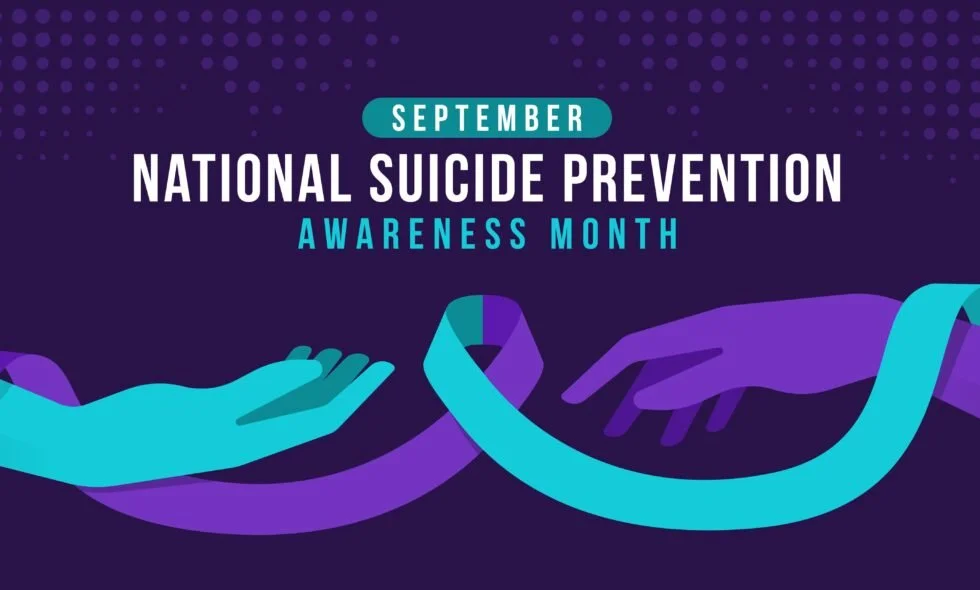
Every September, we mark National Suicide Prevention Month — offering us an extra reminder to check in on people who are struggling and make sure the systems meant to help them are actually working.
Suicide isn't just a mental health issue. It's a public health problem shaped by a lot of overlapping factors: whether people can afford care, whether they have stable housing, whether they feel connected to others, access to firearms, substance use, past trauma, and the conditions of daily life — work, school, and home.
The CDC frames prevention as something that has to happen on multiple fronts at once: using real data to guide decisions, making care easier to access, shoring up economic stability, building safer environments, encouraging strong social connections, teaching coping skills, and supporting people who are at risk. None of that works in isolation — it takes social and community service agencies, healthcare providers, schools, employers, community groups, government, and people with lived experience all pulling in the same direction.
Where New Hampshire Stands
Last year, New Hampshire's crisis centers fielded over 54,000 calls, texts, and chats through 988. That's a heavy number — it points to real need, but it's also a sign that a lot of people knew where to turn and reached out.
There's some good news too: the 2025 Youth Risk Behavior Survey found that the share of NH students reporting persistent sadness or hopelessness dropped 10% since 2021. Still, state leaders are clear that there's more to do — expanding services, addressing workforce shortages, and making sure people in every community, especially rural ones, can actually get help when they need it.
Start a Conversation
This year's theme from the NH Coalition for Suicide Prevention says it plainly: Start a Conversation. Be the Difference.
If you're worried about someone, say something. Ask how they're really doing, and actually listen to the answer. It's okay — safe, even necessary — to ask directly if they're thinking about suicide. Don't judge what they tell you. Take it seriously, and help them get connected to real support.
Some warning signs to watch for:
• Talking about wanting to die, feeling hopeless, or having no reason to live
• Feeling trapped, in unbearable pain, or like a burden to others
• Pulling away from family, friends, or things they used to enjoy
• Giving away belongings or saying goodbye
• Drinking or using more
• Sharp mood swings, rage, agitation, or reckless behavior
• Looking into methods or making a plan
Pay extra attention when these signs are new, getting worse, or showing up after a loss or major life change.
Prevention Isn't One Person's Job
Public health work means building communities where people feel connected and supported — and that shows up everywhere: healthcare settings, schools, workplaces, emergency response, housing programs, community planning.
Concretely, that can look like training staff to spot warning signs, encouraging safe storage of medications and firearms, expanding access to behavioral healthcare, building supportive workplace policies — or just checking in on someone who seems isolated.
Every conversation matters. Help exists, recovery happens, and no one has to face this alone.
If You Need Help
988 Suicide & Crisis Lifeline: Call or text 988, or chat at 988lifeline.org, for free, confidential support 24 hours a day. AND
New Hampshire Rapid Response Access Point: Call or text 833-710-6477, or visit NH988.com, for 24/7 mental health or substance-use crisis support.
Veterans Crisis Line: Call 988 and press 1, text 838255, or visit VeteransCrisisLine.net.
NAMI New Hampshire: Find crisis contacts, education, training and family resources at NAMINH.org. The NAMI NH Information and Resource Line is 1-800-242-6264.
NH Coalition for Suicide Prevention: Find warning signs, prevention information and resources for individuals, families and communities at ZeroSuicidesNH.org.
CDC Suicide Prevention Resources: Explore evidence-based public health strategies at CDC.gov/Suicide.
If someone is in immediate physical danger, call 911 or go to the nearest emergency department.