
Getting New Hampshire Ready for the Unexpected
Emergencies rarely arrive at a convenient time these days. An ice storm knocks out power. Flooding closes roads. Wildfire smoke affects air quality. An infectious disease begins spreading. A family suddenly needs to evacuate.
That is why September's National Preparedness Month is an important reminder that preparedness isn't only the responsibility of emergency responders. It is also a fundamental part of public health; and something individuals, families, workplaces and communities can strengthen before an emergency happens.
This September, the New Hampshire Public Health Association encourages Granite Staters to use resources from the American Public Health Association's Get Ready campaign and ready.gov to take a few simple steps toward being better prepared.
Public Health Starts Before the Emergency
APHA first launched its Get Ready campaign back in 2006 to help people, families and communities prepare for hazards, including infectious disease outbreaks, natural disasters and other emergencies.
The campaign offers free resources for both the public and health professionals covering subjects ranging from power outages, evacuations and extreme weather to infectious diseases and emergency planning for people with disabilities, pregnant people and families with infants.
The idea is simple: the best time to prepare for an emergency is before one happens.
For 2026, APHA's Get Ready calendar makes September's message particularly useful for families as children return to school: review the family emergency plan, practice what to do in different situations, make sure emergency supplies are available, and establish meeting places and ways to communicate if family members become separated.
APHA will also mark Get Ready Day on Tuesday, September 15, part of National Preparedness Month and an opportunity for workplaces, schools, health departments and community organizations to promote preparedness.
Four Things You Can Do This September
Preparedness doesn't have to be complicated. Ready.gov recommends starting with some basic steps:
Make a plan. Talk with the people in your household about how you will communicate, where you will meet and what you will do if you need to evacuate or shelter in place.
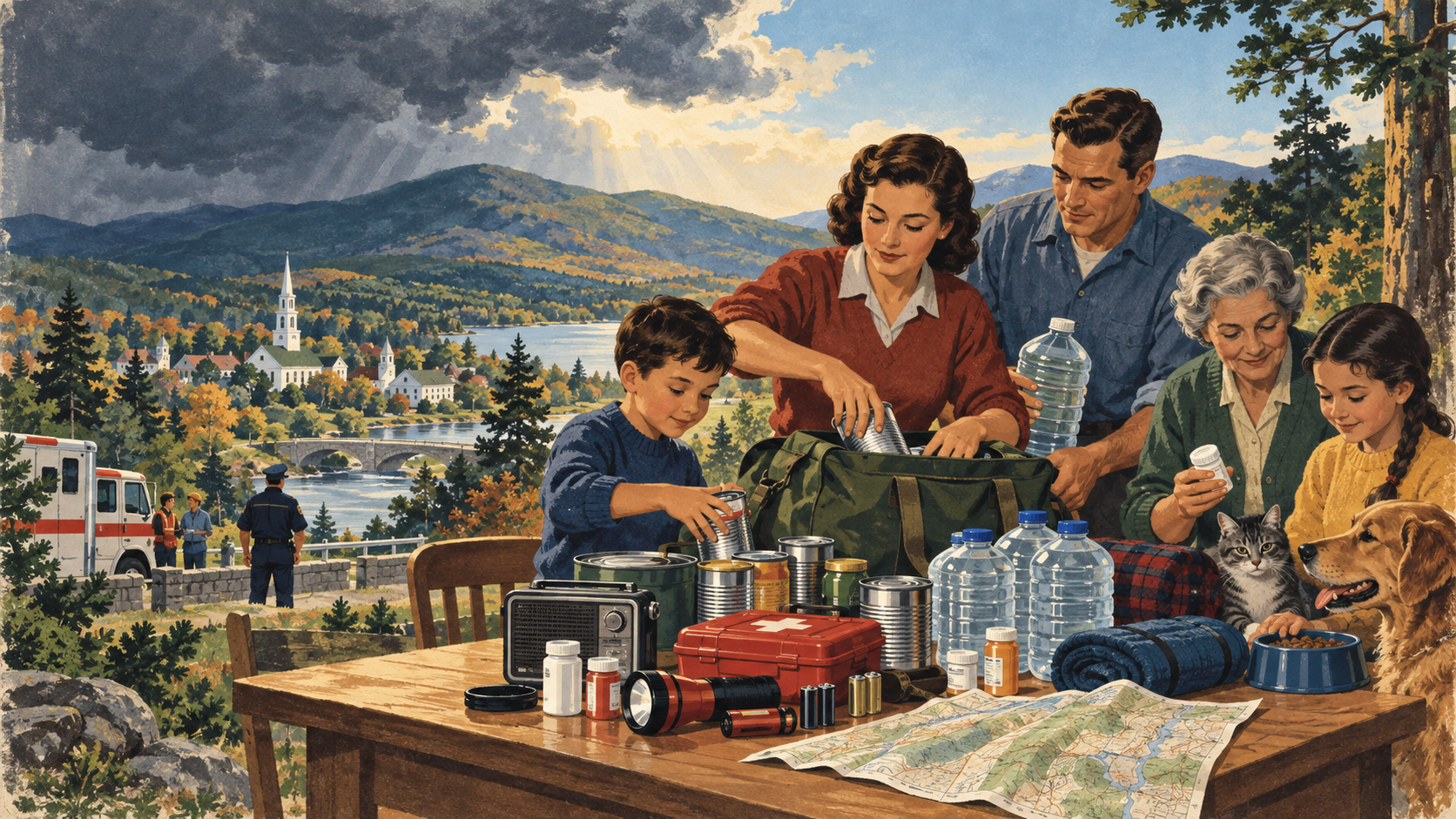
Build or check your emergency supplies. Think about water, food, medications, flashlights, batteries, first-aid supplies, phone chargers and other necessities you may need if you lose power or cannot easily leave home.
Know how you'll receive information. Make sure you have reliable ways to receive emergency alerts and weather information, particularly if electricity or cellular service is interrupted.
Think about your particular needs. An emergency plan should account for medications and medical equipment, mobility needs, infants and children, older adults, pets, transportation and other circumstances specific to your household.
Preparedness also needs to extend beyond individual households. Local health departments, health care organizations, schools, municipalities, employers and community organizations all have a role in making sure plans work for the people they serve — particularly residents who may need additional assistance during an emergency.
Preparedness Is a Public Health Investment
New Hampshire has seen firsthand how quickly weather, infectious disease and other emergencies can disrupt everyday life.
Good preparedness can help communities respond more effectively, but it can also reduce the health consequences of an emergency in the first place. Knowing where to go, how to communicate, how to safely maintain medications and medical equipment, and how to check on people who may need assistance can make an enormous difference.
Preparedness is also about equity. Not everyone has the same resources to stockpile supplies, evacuate quickly, work remotely or recover financially after an emergency. Effective public health preparedness means recognizing those differences and making plans that work for the whole community.
September is a good time to ask a straightforward question: If something happened tomorrow, would you, your family and your community be ready?
You don't need to solve everything at once. Make a plan. Check your supplies. Talk with your family. Learn about the emergency resources available where you live. And then keep that plan current.
Resources
The American Public Health Association's Get Ready campaign offers preparedness fact sheets, tools and resources covering emergencies, infectious diseases, natural disasters and the needs of specific populations.
ready.gov provides additional resources for developing emergency plans, building emergency kits, receiving alerts and preparing for different types of disasters.
And mark your calendar: APHA's Get Ready Day is September 15, 2026.
Also in September: SOS for Health
On September 24, APHA will hold SOS for Health, providing another opportunity for the public health community to come together around protecting health and strengthening the systems and programs communities rely upon.
For public health professionals, September offers a useful connection between the two: being prepared for the next emergency requires strong public health capacity before the emergency begins.
NHPHA encourages members and partners to use National Preparedness Month to share preparedness information within their workplaces and communities — and to remind Granite Staters that a little preparation today can make a major difference when an emergency occurs.