
Scabies in Congregate Settings: Practical Guidance for Shelters and Public Health Staff
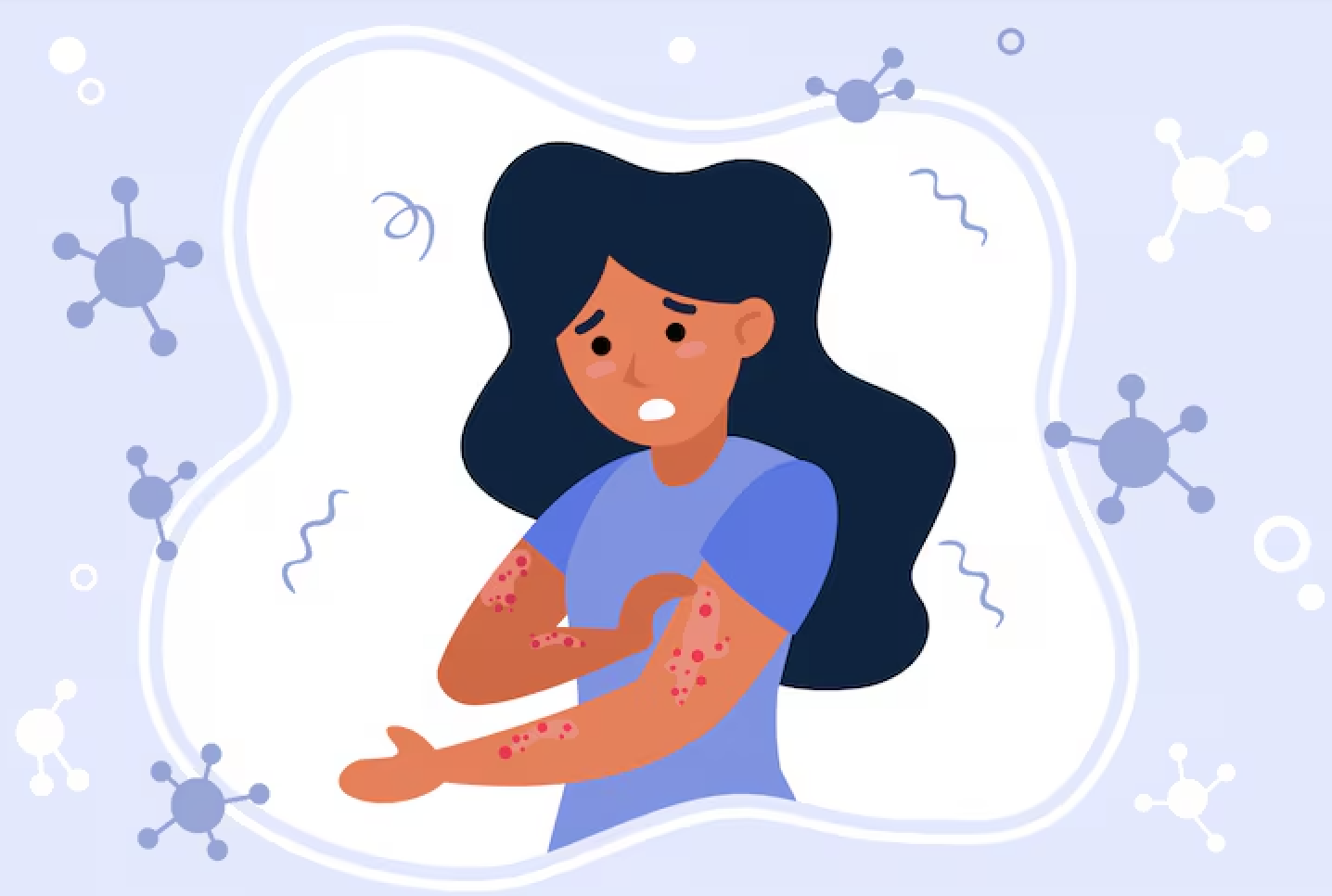
When scabies shows up in a congregate setting—such as a homeless shelter, transitional housing, or shared living facility—it can feel alarming. Staff worry about rapid spread, residents worry about stigma, and leaders worry about disruption.
The good news: scabies is common, treatable, and manageable. With early recognition, coordinated treatment, and clear communication, outbreaks can be contained quickly and without panic.
What Scabies Is—and What It Isn’t
Scabies is a skin infestation caused by microscopic mites. It spreads through prolonged skin-to-skin contact, which makes shared living environments more vulnerable. It is not caused by poor hygiene, and it does not reflect cleanliness, personal habits, or staff practices.
This distinction matters. When scabies is framed as a hygiene issue, stigma increases—and stigma delays reporting and treatment. Public health response works best when blame is removed from the conversation.
How to Recognize Scabies Early
Early identification is the most effective way to prevent a small cluster from becoming a larger outbreak. The most common signs include persistent itching (often worse at night), small bumps or blisters, and sometimes thin burrow-like lines on the skin. These symptoms often appear on the fingers, wrists, waistline, buttocks, or groin.
Staff should be encouraged to notice and report symptoms promptly—in residents and in themselves. Early reporting protects everyone.
What to Do Right Away
When scabies is suspected, coordination matters more than precision. The priority is not perfect diagnosis—it’s timely, group-based action.
Facilities should identify symptomatic residents and staff, arrange treatment quickly, and treat all close contacts at the same time. Limiting skin-to-skin contact until treatment is complete is recommended, but unnecessary isolation should be avoided.
Trying to treat people one at a time, or waiting for confirmation before acting, increases the risk of ongoing transmission.
Treatment That Works
The standard treatment for scabies is Permethrin 5% cream. It is applied from the neck down, left on for 8–14 hours, then washed off. A second treatment is repeated seven days later.
One important point to communicate clearly: itching can continue for 2–4 weeks after successful treatment. Persistent itching alone does not mean someone is still infectious, and it should not trigger panic or repeated treatment unless new symptoms appear.
Cleaning: Keep It Simple
Environmental cleaning is important—but it does not need to be extreme.
Clothing, towels, and bedding used in the previous three days should be washed in hot water and dried on high heat. Items that can’t be washed can be sealed in a plastic bag for 72 hours. Routine cleaning of shared spaces is sufficient.
Fumigation, deep sanitizing, or excessive cleaning does not improve outcomes and often increases stress for staff and residents.
Guidance for Staff Health
Staff who develop symptoms should be treated promptly and can usually return to work the day after treatment. Gloves should be used for direct skin care until treatment is completed. Clear, consistent workplace policies help maintain trust and staffing continuity during an outbreak.
What Not to Do
Public health guidance is clear on actions that make outbreaks worse, not better. Do not isolate residents unnecessarily. Do not blame hygiene or cleanliness. Do not delay treatment while waiting for confirmation.
These responses increase fear, reduce cooperation, and slow containment.
How to Talk With Residents
Communication matters as much as medication. Staff should use calm, simple, and stigma-free language. One effective message is:
“Scabies is common in shared living spaces. It’s not related to hygiene. It’s treatable, and we’re treating everyone at the same time to stop it quickly.”
Clear reassurance builds cooperation and reduces anxiety.
When to Escalate
Additional public health support may be needed if there are multiple linked cases, if crusted scabies is suspected, or if symptoms persist after repeat treatment. In those situations, coordination with local public health networks is essential.
Public Health Takeaway
Scabies outbreaks test systems—but they also show what works. Preparedness, coordination, and compassion are far more effective than fear or blame. With clear protocols and consistent communication, congregate settings can protect residents and staff and prevent small outbreaks from becoming larger ones.