
As summer arrives in New Hampshire, many of us are eager to spend more time outdoors: hiking, gardening, walking the dog, visiting parks, or simply enjoying our backyards.
Unfortunately, we are not the only ones enjoying the warmer weather.
Tick season is underway, and with it comes an increased risk of tickborne diseases that affect thousands of people across New Hampshire every year. And overall warming temperatures mean more ticks, and ticks in areas that used to be safe to hike.
More Than Just Lyme Disease
Most Granite Staters have heard of Lyme disease, and for good reason. It is the most common tickborne illness in New Hampshire and across the United States. The Centers for Disease Control and Prevention estimates that approximately 476,000 Americans are diagnosed and treated for Lyme disease each year.
But Lyme disease is not the only concern.
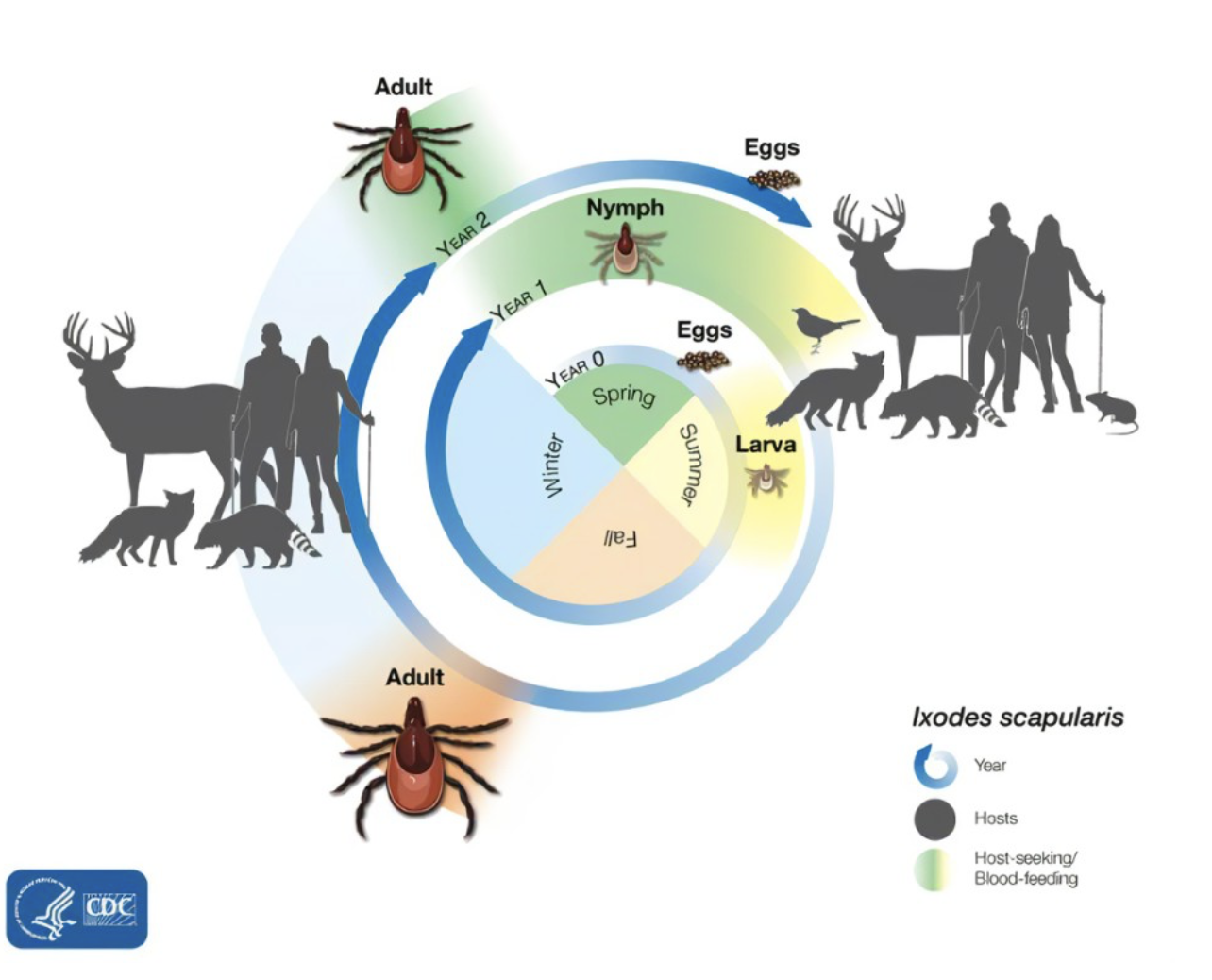
According to the New Hampshire Department of Health and Human Services, blacklegged ticks (commonly called deer ticks) can also transmit anaplasmosis, babesiosis, Powassan virus, and Borrelia miyamotoi disease. Several of these illnesses have been increasing in New Hampshire and throughout northern New England.
New Hampshire consistently ranks among the states with the highest rates of tickborne disease in the country.
Why Public Health Pays Attention to Ticks
Tickborne diseases are more than an inconvenience. They can lead to serious illness, hospitalization, and long-term health complications.
Symptoms vary depending on the disease but may include:
Fever and chills
Fatigue
Headaches
Muscle and joint pain
Neurological symptoms
Skin rashes, including the characteristic Lyme disease "bull's-eye" rash
Some infections, including babesiosis and Powassan virus, can cause severe complications, particularly in older adults and individuals with weakened immune systems.
From a public health perspective, tickborne diseases are also an example of how environmental conditions influence health. Changes in climate, land use, wildlife populations, and human behavior have all contributed to the spread of ticks and the diseases they carry.
Prevention Remains the Best Protection
Fortunately, there are simple steps everyone can take to reduce their risk.
The New Hampshire Department of Health and Human Services recommends:
Using EPA-approved insect repellents.
Wearing long sleeves and long pants when spending time in wooded or grassy areas.
Tucking pants into socks when hiking.
Performing thorough tick checks after outdoor activities.
Showering soon after coming indoors.
Checking children and pets carefully for ticks.
Promptly removing attached ticks.
Many tick exposures occur not in remote forests but around homes, gardens, and neighborhood trails. Taking precautions during everyday outdoor activities is just as important as taking them on wilderness adventures.
A Shared Responsibility
Preventing tickborne disease requires more than individual action. Public health agencies, healthcare providers, researchers, municipalities, schools, and community organizations all play important roles in surveillance, education, prevention, and early detection.
As New Hampshire continues to experience high rates of tickborne illness, public awareness remains one of our strongest tools.
The goal is not to avoid the outdoors. Spending time outside is good for both physical and mental health. Instead, the goal is to enjoy New Hampshire's natural beauty while taking simple precautions that help keep ourselves, our families, and our communities healthy.
This summer, get outside. Just remember to always check for ticks when you come back in.